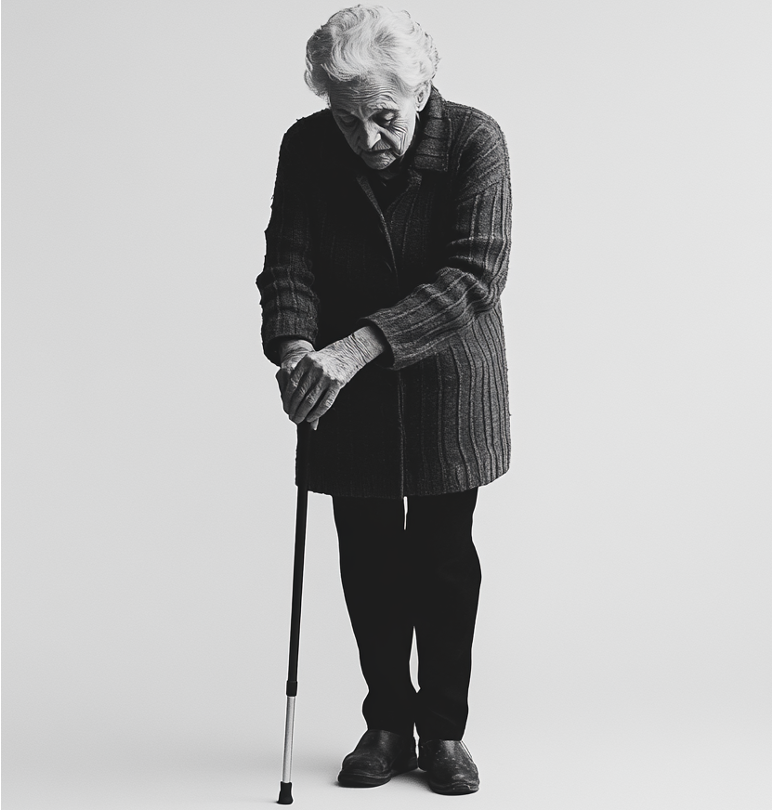
Adult Scoliosis Isn’t Just a Curve Problem
Rib–pelvis impingement drives pain and limits mobility in non-surgical adults.
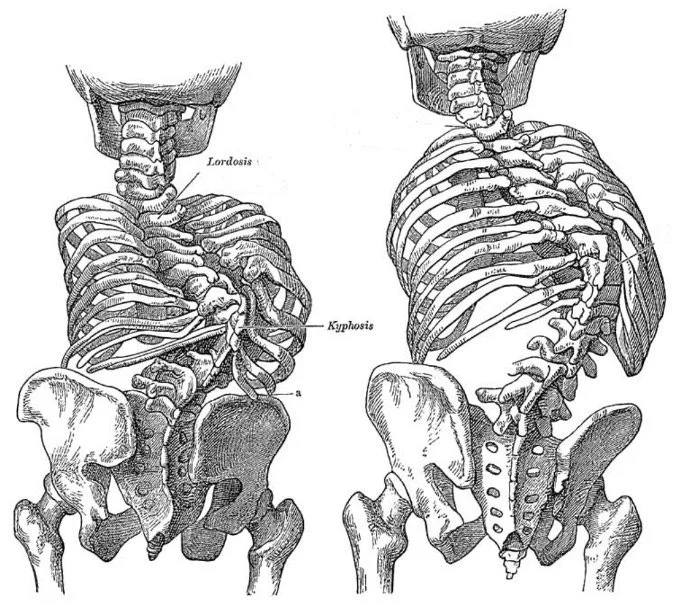
What’s Driving the Pain?
Iliocostal impingement (ICS) predominates in non-surgical adult scoliosis.
In a Mount Sinai cohort of 46 non-surgical adults with symptomatic scoliosis, iliocostal impingement emerged as the dominant clinical driver, reframing the approach to the management of adult scoliosis.
This was a frail, ambulatory population with limited operative options and poor tolerance of conventional prefabricated TLSOs.
Who Were These Patients?
A complex, non-surgical adult scoliosis cohort.
The Cohort (N=46)
Mean age 72 (34–96 yrs)
91% female (42F / 4M)
Mean BMI 23 kg/m²
85% Core Therapy
11% Prior Brace
Inclusion Profile
Cobb ≥ 30°
Progression ≥ 5°/year
Non-surgical, ambulatory
89% presented with moderate–severe pain at intake.
What This Means for Practice
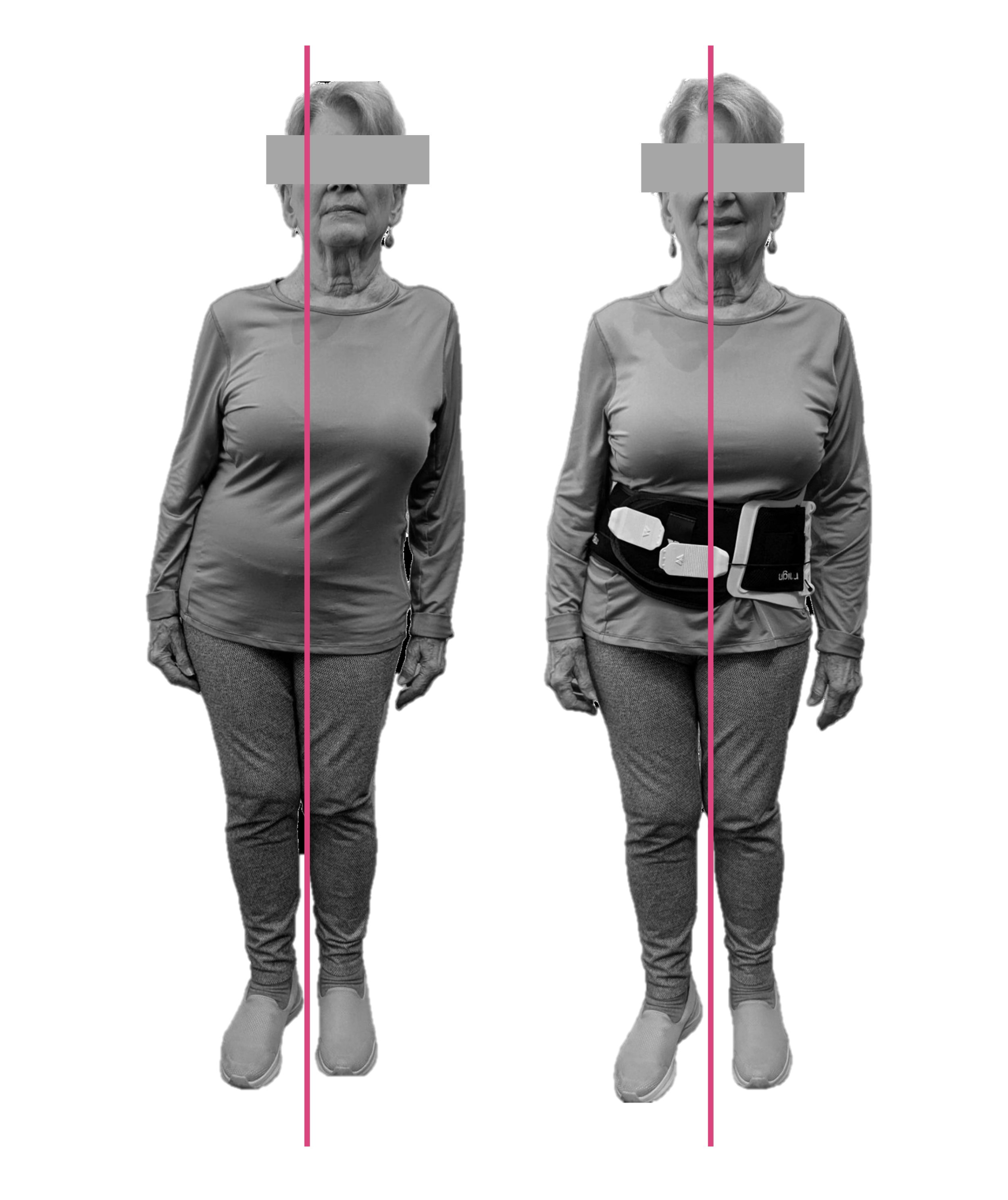
Relieving the rib–pelvis interface mitigates pain in non-surgical adult scoliosis.
In this cohort of 46 complex, ambulatory adults, addressing iliocostal impingement was associated with meaningful shifts in pain severity and high initial brace tolerance.
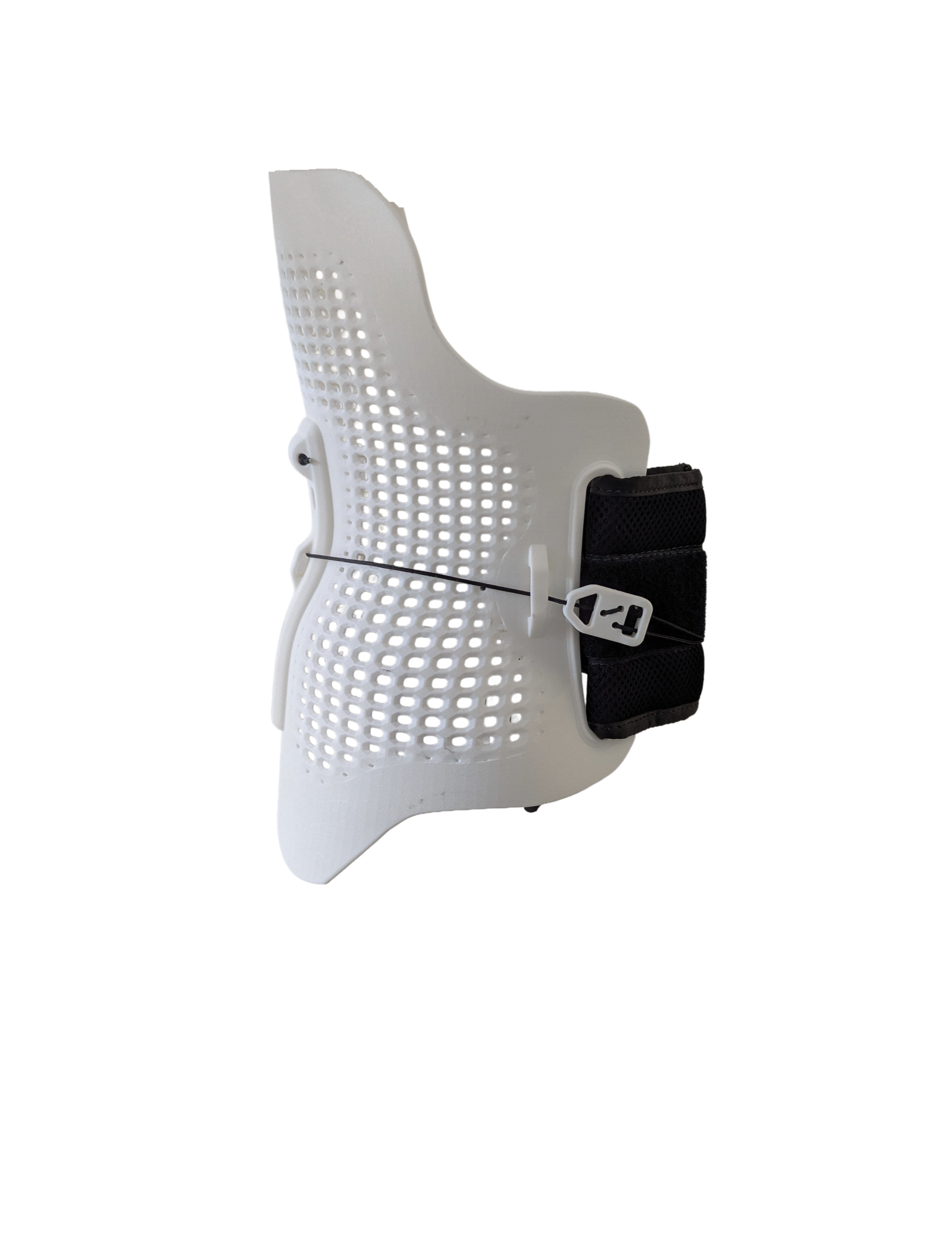
All patients were fit with a digitally designed ICON Adult Scoliosis (L1007) orthosis, with no early discontinuations.
Design Lessons
Phenotype-specific geometry reduces bulk and focal pressure
Digital design workflow enables scalable correction and customization
Preloaded lateral force improves midline balance across three planes
Adjustable tension allows daily modulation of corrective force
Clinical Insight
Adult scoliosis bracing should not focus solely on curve magnitude. Targeted rib–pelvis interface management may be central to improving pain response, postural balance, and wearability in non-surgical adults.
Full cohort analysis is ongoing.
References
[1] Glassman SD et al. Eur Spine 2005; 14(9):802-809.
[2] Brubaker M, Sinaki M. Prosthet Orthot Int. 2016; 40(3):384–7.[3] Schwab FJ et al. Spine 2010; 35(25):2224-2231.
[4] Maruyama T et al. Scoli Spinal Disord 2016; 11:15.
[5] Cho KJ, et al. Asian Spine J. 2014 Jun;8(3):371-81.
[6] McAviney J, et al. Eur Spine J. 2020 Dec;29(12):2960-2969.
Proceedings of the American Academy of Orthotists and Prosthetists Annual Meeting & Scientific Symposium, February 18-20, 2026, Nashville, TN
Digitally Designed Adult Scoliosis Orthosis:
A Phenotype-driven Method For Relieving Iliocostal Impingement Syndrome
Rauch, I.¹, Mucollari, O.², Kurapatti, M.², May, C³, Albin, B.³, and Lonner, B.²
¹Orthotic Consultants, Inc., New York, NY, ² Dept of Orthopaedics, Icahn School of Medicine, Mt. Sinai Hospital, New York, NY, ³mign, Inc., Charlotte, NC
AOPA 2025
Shifting the Shift:
A Novel Bracing Strategy For Iliocostal Impingement Syndrome in Senior Scoliosis
Rauch, I.¹, Mucollari, O.², Dix, E.³, May, C.³, and Lonner, B.²
¹Orthotic Consultants, Inc., New York, NY, ²Dept of Orthopaedics, Icahn School of Medicine, Mt. Sinai Hospital, New York, NY, ³mign, Inc., Charlotte, NC
Synopsis
Iliocostal impingement syndrome (ICS) is a common yet overlooked cause of pain and functional decline in older scoliosis patients. Static, compressive, bulky OTS bracing fails to address asymmetry, the mechanical leverage needed for postural shift, and may interfere with respiratory mechanics. The mign Adult Scoliosis Orthosis, a dynamic, phenotype-driven solution, facilitates midline correction, alleviates ICS pain, and restores function. These findings support digitally-designed bracing as a viable, patient-centered alternative for non-surgical adult scoliosis management.
Case Video: Ambulation with Orthosis
Ambulatory footage of the patient described in the case report, demonstrating improved posture and mobility while wearing the orthosis.
Video presented for scientific and educational purposes.

Digital Treatment Plan overview for Personalized Adult Scoliosis orthosis design.
Thank you for your interest in our work.
For further information regarding this case report, please complete the form.
Isabelle Rauch, CO
19 W 57th St #1514
New York, NY 10019
orthoticconsultantsinc@gmail.com